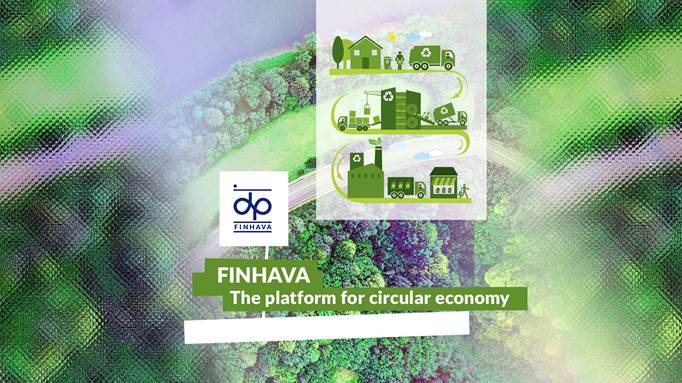
FINHAVA is a digital platform that helps measure, manage and showcase circularity across Mallorca’s HORECA food supply chain. Developed by TIRME and building on the successful Circular Hotels initiative launched in 2018, it connects hotels, restaurants and local producers to transform organic waste into compost used to grow local produce. By closing this loop, FINHAVA reduces carbon emissions, promotes km 0 products and supports a more sustainable tourism sector.
The Challenge
The tourism sector in the Balearic Islands is associated with high levels of resource consumption and waste generation, particularly in the hotel and restaurant industries. At the same time, there is growing pressure from regulators and the market to promote local sourcing and reduce environmental impact. One of the key challenges is how to manage organic waste more effectively while improving sustainability across the food value chain, reducing carbon emissions, and using resources more efficiently.
The Support Provided
TIRME developed and scaled the FINHAVA platform to provide a digital solution that supports various stakeholders in the HORECA sector. This initiative provides technical expertise in waste management and offers digital tools for traceability and measuring energy efficiency. The platform enhances contact and collaboration among hotels, local producers, and distributors.
The Actions Taken
The main action taken was to develop FINHAVA, a digital platform connecting all stakeholders involved in the food/HORECA supply chain. TIRME collects organic waste generated by hotels and restaurants and transforms it into compost. Local farmers then use this compost to grow fruit and vegetables, which are sold back to the HORECA sector, thus closing the loop.
The platform also enables full traceability of products, from waste to seeds, and integrates sustainability indicators such as carbon footprint and circularity. It supports better decision-making by facilitating data sharing among stakeholders. The initiative also promotes km 0 products, reducing transport-related pollution and energy consumption.
The Results
The initiative has delivered measurable environmental and operational benefits. Between 2021 and 2025, the initiative achieved:
- 3,474,144 kg of recovered organic matter.
- 1,095,453 kg of compost produced.
- 2,421,618 kg of circular products generated.
- 464,151 kg of CO₂ emissions avoided.
- A circularity rate of 59%
These results demonstrate how circular value chains can significantly reduce waste, improve resource efficiency, and contribute to lower emissions in the sector.
“FINHAVA promotes the value of circularity and makes it visible, measurable and profitable by connecting all actors in the ecosystem, providing a smart and innovative solution for waste management while supporting the benefits of local organic producers.”